When you’re running a small business, doing things yourself often comes with the territory. Tools like Canva make it easier than ever to create a social media post, flyer or presentation, and for many everyday design jobs, that may be all you need.
But there often comes a point when doing your own design starts costing more than it saves. You may be spending too much time trying to make things look right, struggling to keep your branding consistent, or feeling that your visuals no longer reflect the quality of your business.
So, how do you know when it’s time to bring in a graphic designer? In this article, we’ll look at five signs it might be time to bring in a graphic designer, what they can help with, and which design tasks may still make sense to manage in-house.
1. Your branding no longer reflects your business
Your business may look very different from when you first started. You might have refined your services, grown your team, increased your prices or become clearer about the type of clients you want to work with. But if your branding has stayed the same, it may no longer represent where your business is today.
Perhaps your logo feels dated, your colour palette no longer suits your direction, or your marketing materials do not reflect the quality of the work you provide. When there is a gap between how established your business is and how it presents itself, potential clients may not get an accurate first impression.
A graphic designer can help bring your visual identity back into alignment with your business. That does not always mean starting again. Your existing brand may simply need a considered refresh, such as refined typography, an updated colour palette or a clearer set of visual elements.
In other cases, your business may have changed enough that a new brand identity is the better option. A designer can help you work out what’s still serving your business and what needs to evolve.
2. Everything you create looks slightly different
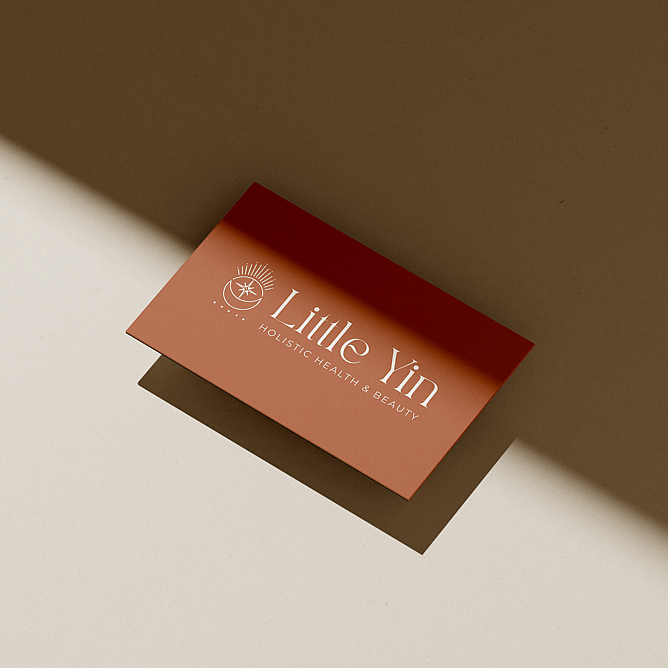
Your website uses one set of fonts, your social media posts use another, and your brochures, proposals or email graphics all seem to follow a slightly different style. Each piece might look fine on its own, but together, they don’t feel like they belong to the same business.
This often happens as a business grows and new materials are created at different times, by different people or for different purposes. Without a clear visual system to work from, every new design becomes a fresh decision about colours, fonts, imagery and layout.
A graphic designer can bring these pieces together by creating a consistent set of brand elements and templates. This might include your typography, colour palette, graphic elements, image direction and layout styles, along with clear guidance for how they should be used. If you’re unsure what should be guiding those visual decisions, it can help to revisit your brand strategy first.
Consistency doesn’t mean everything needs to look identical. It means your customers can recognise your business across different platforms and trust that each touchpoint belongs to the same brand.
3. Design is taking up too much of your time
Have you ever opened Canva to create one quick graphic, then realised an hour later that you’re still adjusting fonts, shifting text boxes and trying to work out why the layout doesn’t feel right?
Doing some design yourself can be practical, especially when you’re starting out. But when brochures, proposals, advertisements, website updates or social content repeatedly pull you away from client work, it’s worth asking whether doing it yourself is still the most efficient option.
Your time has value too.
A graphic designer can take your ideas, organise the information and turn them into something clear, polished and ready to use. They can also create branded templates and design systems that make simpler day-to-day content easier for you or your team to manage.
4. You have an important project or launch coming up
Some design jobs carry more weight than others. A new website, product launch, packaging range, proposal, event campaign or piece of signage may be seen by a large audience and shape how people perceive your business.
A graphic designer can help you create a clear visual direction, organise the information and make sure every part of the project feels connected to your brand. They can also prepare files correctly for different digital and print requirements, helping you avoid costly changes once something is already in production.
Bringing a designer in early means the different pieces can be planned together, rather than created individually at the last minute. The result is a more considered and consistent launch.

5. You know what you want to say, but not how to communicate it visually
You may know exactly what you want your customers to understand, but translating that message into a brochure, proposal, campaign, website or piece of signage can be difficult. Good graphic design is not simply about decoration. It helps people understand what matters, where to look and what to do next.
A graphic designer can turn your ideas and information into clear visual communication by working out:
What needs to stand out first
What can be simplified
How the content should be grouped
Which images or graphics will support the message
How the design should adapt across different formats
This is particularly valuable when your service is complex, you’re introducing something new or you have a lot of information to communicate. The end result should not only look more polished, but also make your message easier for people to understand and act on.
What can a graphic designer help your small business with?
A graphic designer can support much more than just your logo. Depending on your business and what stage you’re at, they might help with:
Brand identity and visual direction
Website design and graphics
Social media templates and campaign content
Brochures, proposals and presentations
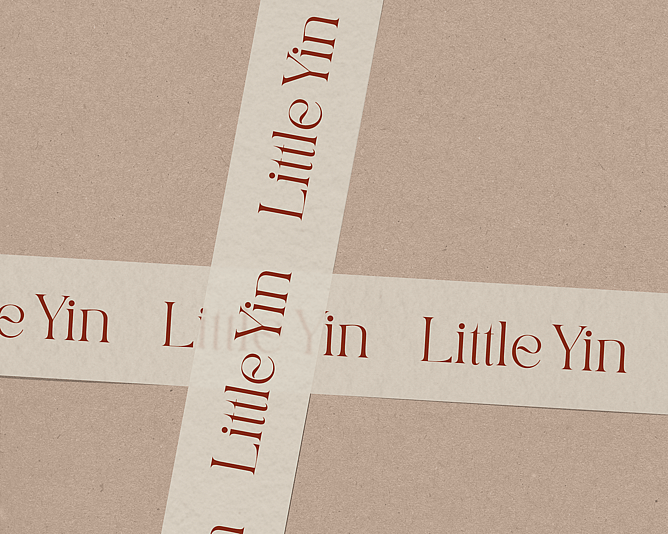
Packaging and labels
Signage and vehicle graphics
Advertising and promotional material
Email marketing and other digital assets
You don’t necessarily need to hand everything over to a designer either. Often, the most useful approach is to have a designer create the foundations, key pieces and templates, then use those systems internally for your everyday content.
That gives you the benefit of professional design where it matters most, while still keeping things practical for the day-to-day running of your business.
Do you need a graphic designer for everything?
Not necessarily.
There are plenty of day-to-day design tasks that you or your team may be perfectly capable of handling in-house, especially once you have a strong brand identity and clear guidelines to work from. Tools like Canva can be really useful for things like regular social media posts, simple internal documents or updating existing templates.
The value of working with a graphic designer is knowing when a project needs more thought than a template can provide. A good designer can create the foundations, key assets and templates, then give you the tools to manage the simpler pieces yourself. That way, professional design and in-house content can work together rather than feeling like an either-or decision.
Think it might be time to bring in a designer?
If your business has grown but your design hasn’t quite kept up, working with a graphic designer can help bring everything back into alignment. From brand identity and websites through to packaging, print and digital content, good design should make your business easier to recognise, understand and trust.
Take a look at our portfolio to see how we’ve helped other businesses create more considered, consistent brands across different touchpoints.
If you have a project in mind, get in touch with Quirk Design Studio and tell us what you’re working on.