Most businesses have a contact page on their website. Usually, it includes an enquiry form, an email address, maybe a phone number and a map if there's a physical location. Job done, right?
Not quite! Your contact page is often one of the last places someone visits before deciding whether to get in touch. They've explored your services, had a look at your work and are interested in what you offer. But if they reach your contact page and aren't sure what to do next, that interest can quickly turn into hesitation.
A well-designed contact page should make it easy for potential customers to take the next step, whether that's asking a question, requesting a quote or booking a consultation.
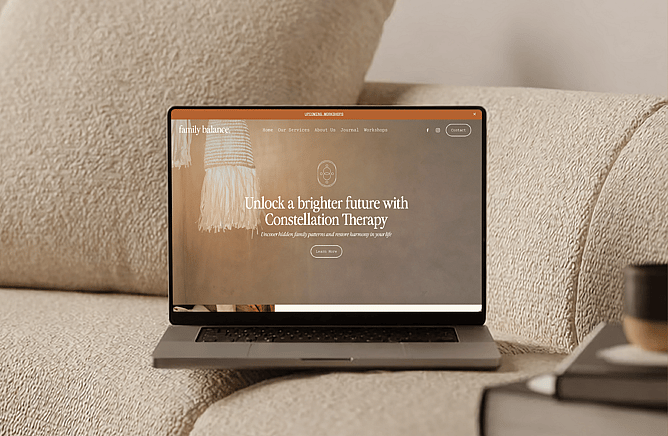
Make it easy for people to get in touch
Not everyone likes to communicate in the same way. Some people are happy to fill out a form, while others would rather send an email or pick up the phone. Where it makes sense for your business, offering a few contact options gives visitors the flexibility to choose what works best for them.
It's also worth checking how everything works on mobile. Are your phone numbers clickable? Is your email address easy to find? Can someone complete your enquiry form without endlessly scrolling or zooming in?
You don't need to offer every possible contact method, just make sure the options you do provide are clear, accessible and easy to use.
Keep your contact form straightforward
Nobody wants to spend ten minutes filling out a form just to ask a simple question. But you also need enough information to understand what someone is enquiring about.
For some businesses, a name, email address and message are plenty. For others, particularly those offering customised services, asking about project details, budgets or timelines can make the initial conversation much more productive.
The trick is finding the right balance. Think about which questions are genuinely useful at this stage and which could be discussed later. Avoid making every field compulsory unless it's necessary, and make sure your form works well on both desktop and mobile.
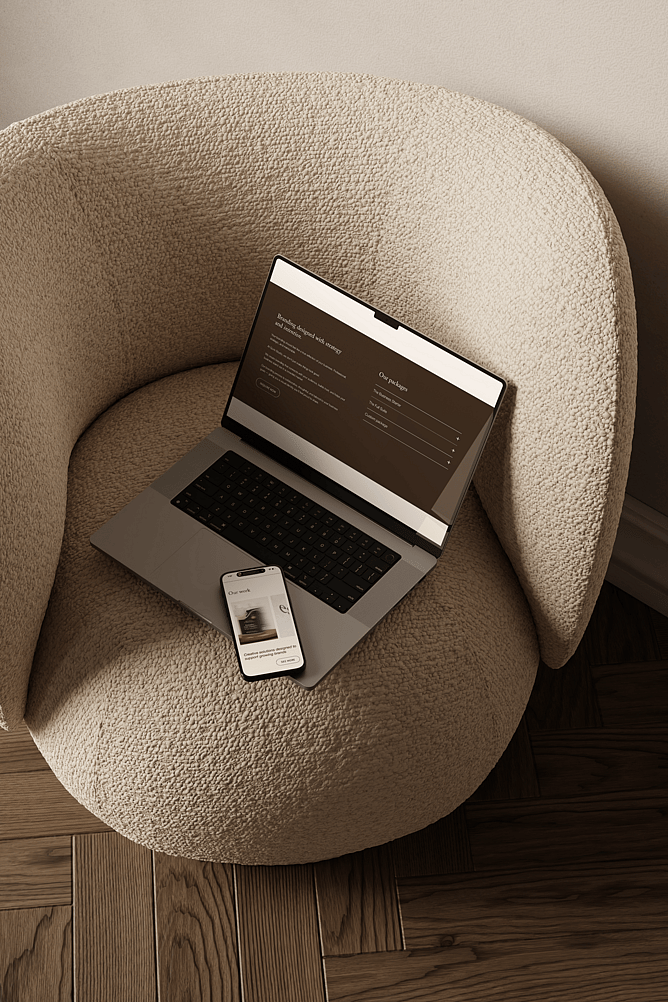
Give people confidence to reach out
It's easy to assume that someone visiting your contact page is already ready to enquire, but they might still have a few questions. How quickly will they hear back? What happens after they submit the form? Are they committing to something just by getting in touch?
A little reassurance can go a long way. A short, friendly introduction above your form can help visitors feel more comfortable, while explaining what happens next gives them a clearer idea of what to expect.
You might also include a client testimonial, a brief introduction to your team or an option to book a call directly. These small details can help make the experience feel more personal and approachable. Just be careful not to overcomplicate things. Your contact page doesn't need every possible feature, only the information that helps your customers feel confident taking that next step.
Don't forget to test your contact page
When was the last time you actually submitted an enquiry through your own website?
It's worth testing the entire process every so often, particularly after making website updates. Check that forms are submitting correctly, notifications are arriving in your inbox and confirmation messages are displaying as expected.
Take a moment to look at the page from a customer's perspective, too. Is it obvious how to get in touch? Is there anything that might cause confusion? Could you make the process easier?
Even small changes can make the whole enquiry process easier for your customers.
Your contact page deserves a little attention
It's easy to spend hours perfecting your homepage, service pages and imagery, only to give your contact page a quick once-over at the end. But when someone is ready to enquire, this is one of the most important parts of their website experience.
The good news is that improving your contact page doesn't necessarily mean redesigning your entire website. A few thoughtful changes to the layout, wording or enquiry process could make it easier for potential customers to take that next step.
At Quirk Studio, we design websites with both the business and its customers in mind, making sure every part of your website looks good, works well and makes life easier for your customers.
Wondering if your website could be working a little harder? Get in touch with Quirk Studio and let's chat about your website

Frequently asked questions
Do all businesses need a dedicated contact page?
For most businesses, yes! Even if you have contact forms elsewhere on your website, a dedicated contact page gives visitors an obvious place to find your details and get in touch.
How long should a contact form be?
It depends on your business. A simple enquiry might only need a name, email address and message, while more detailed project enquiries may require a few extra questions. The key is to only ask for information that's genuinely useful.
Should I include pricing information on my contact page?
That depends on how your business operates. Some businesses benefit from showing starting prices or investment ranges to help customers understand what to expect. Others may need to learn more about an enquiry before discussing costs.
Is a booking calendar better than a contact form?
Not necessarily! Booking calendars are great for consultations and appointments, while contact forms work well for general questions or custom projects. If both make sense for your business, there's no reason you can't offer both.
Can improving my contact page really increase enquiries?
It certainly can! Making your contact page easier to navigate, simplifying your form and helping visitors understand what happens next can encourage more people to get in touch. Even small changes are worth testing.